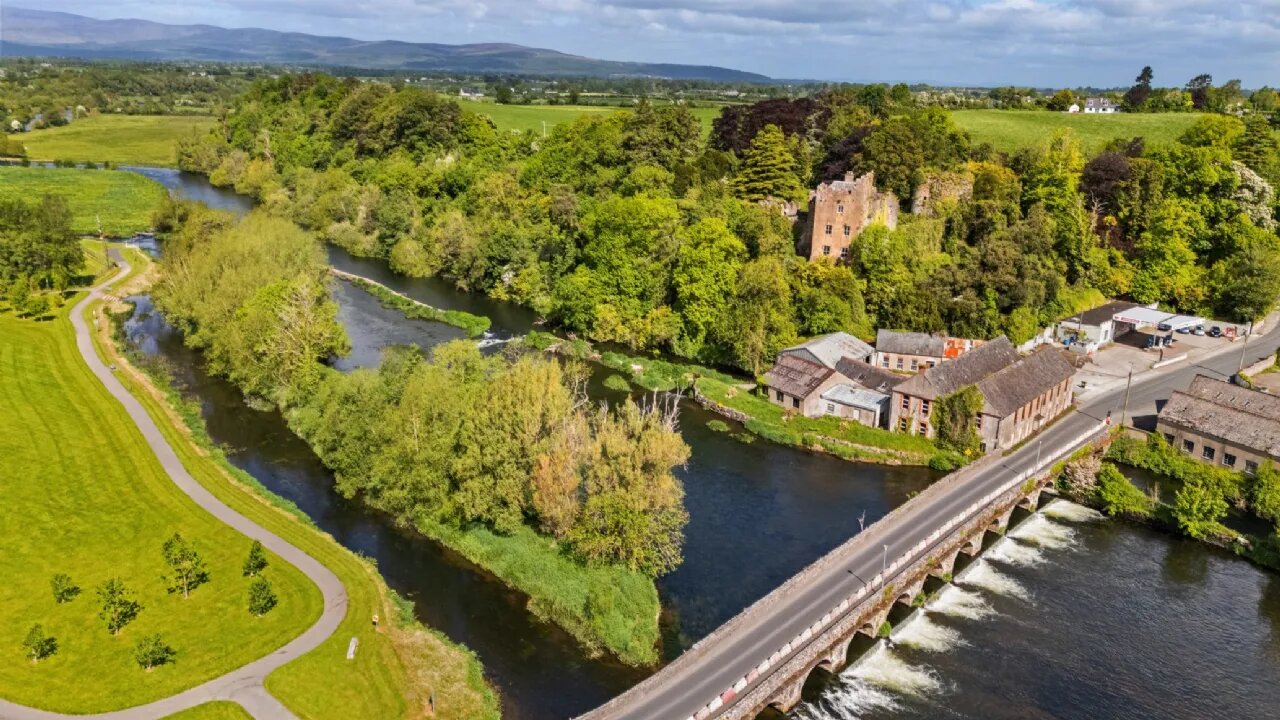
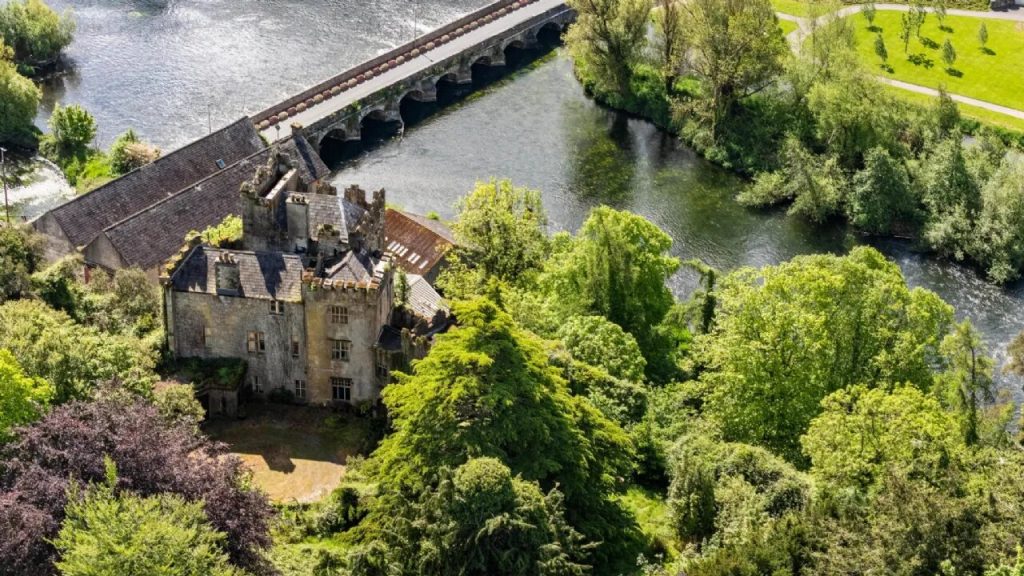
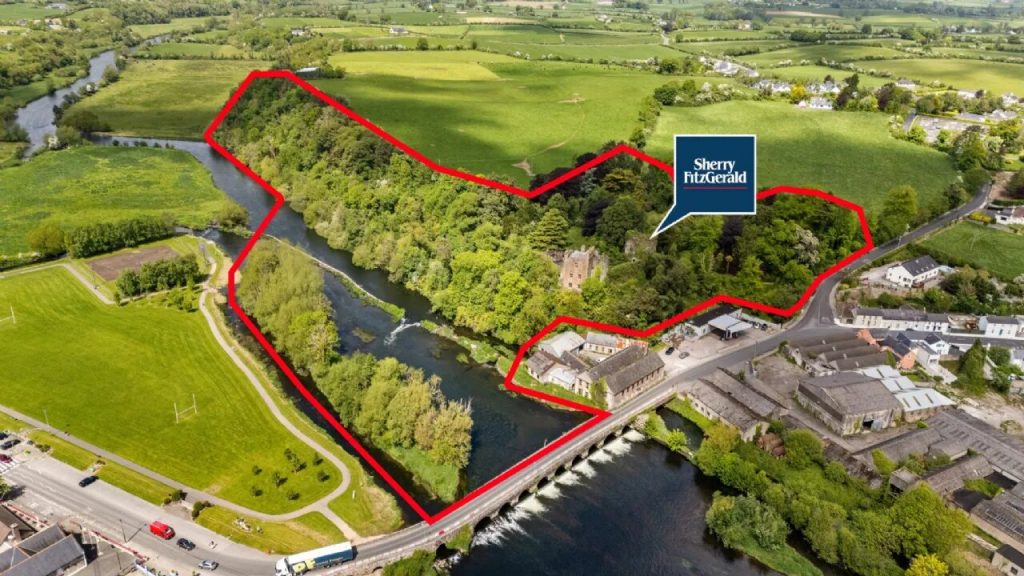
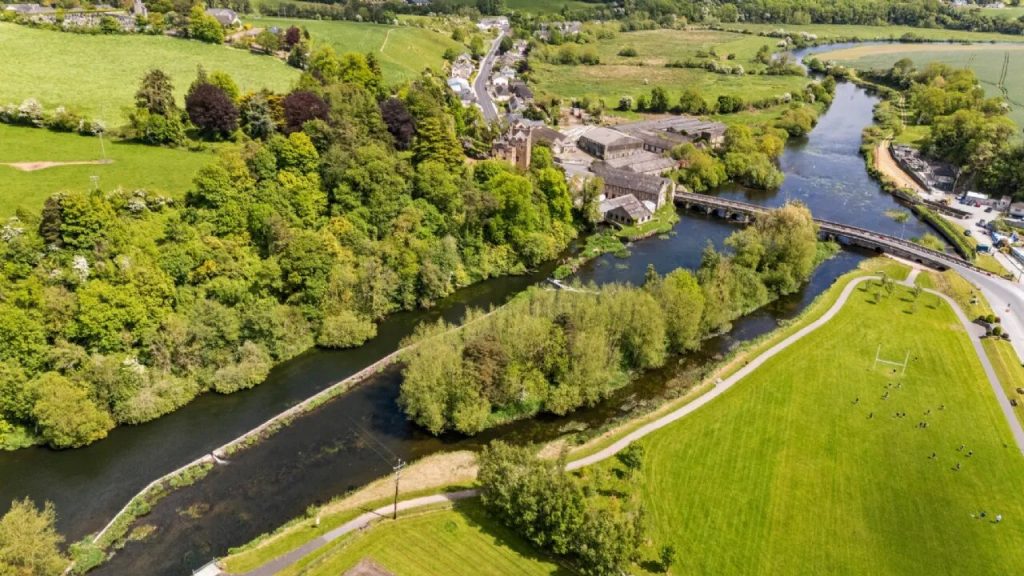
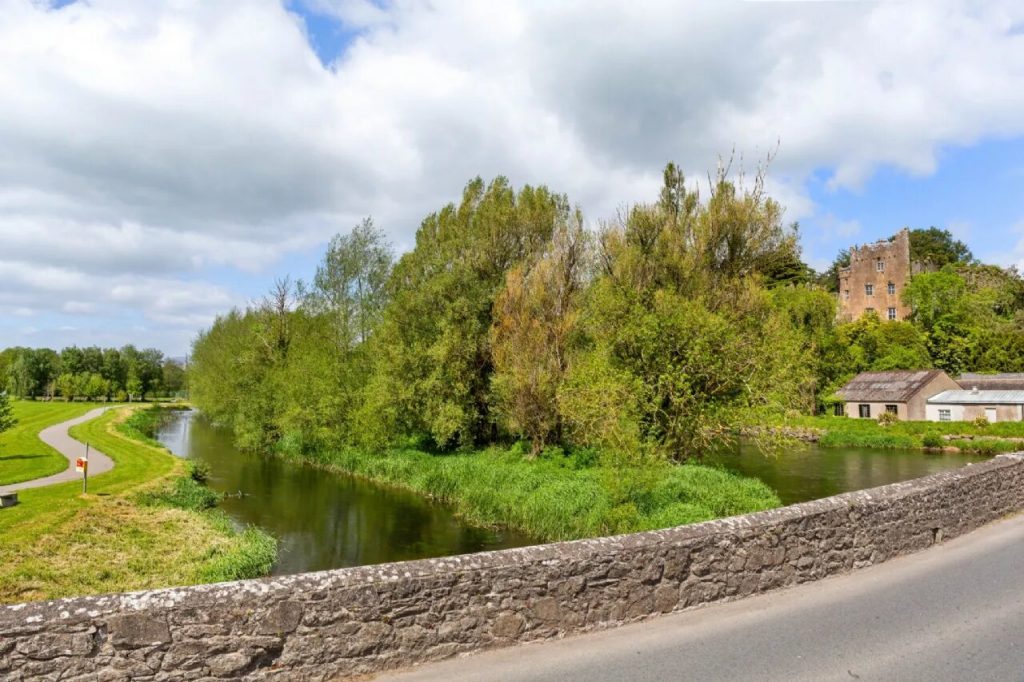
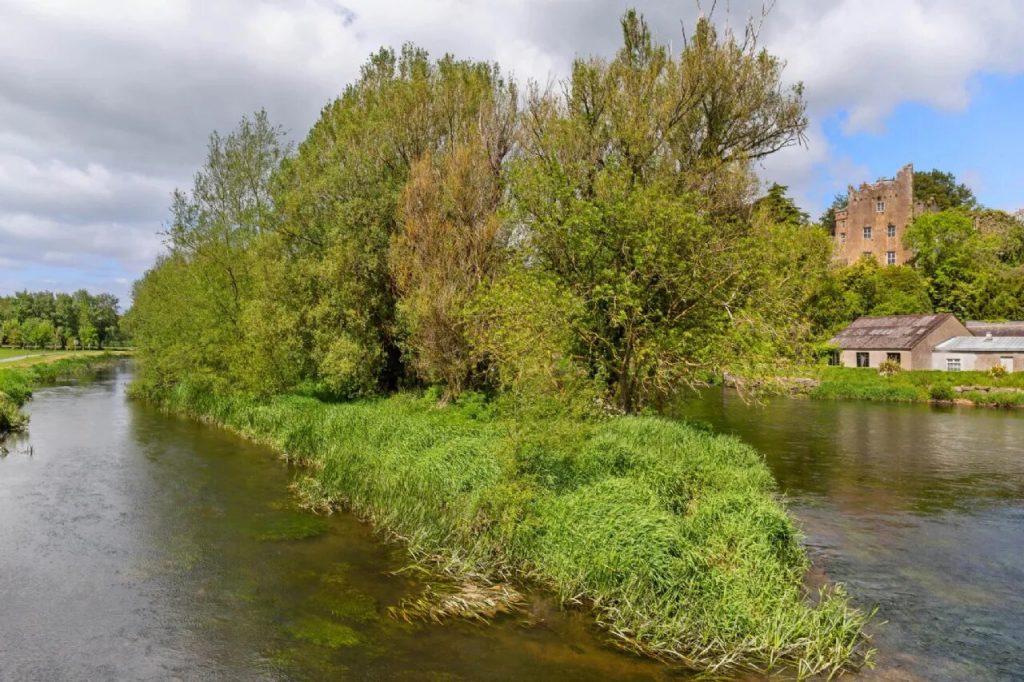
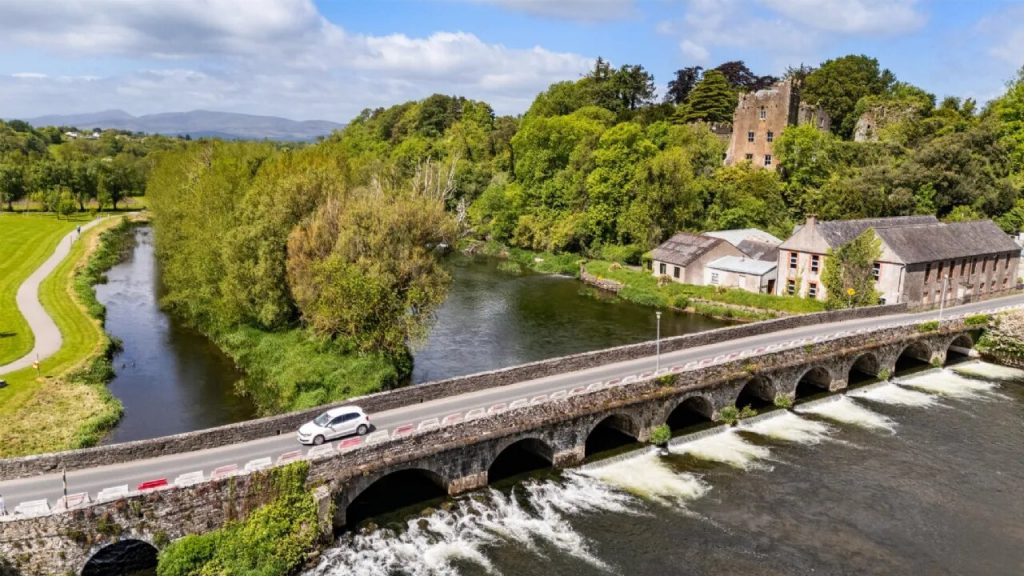
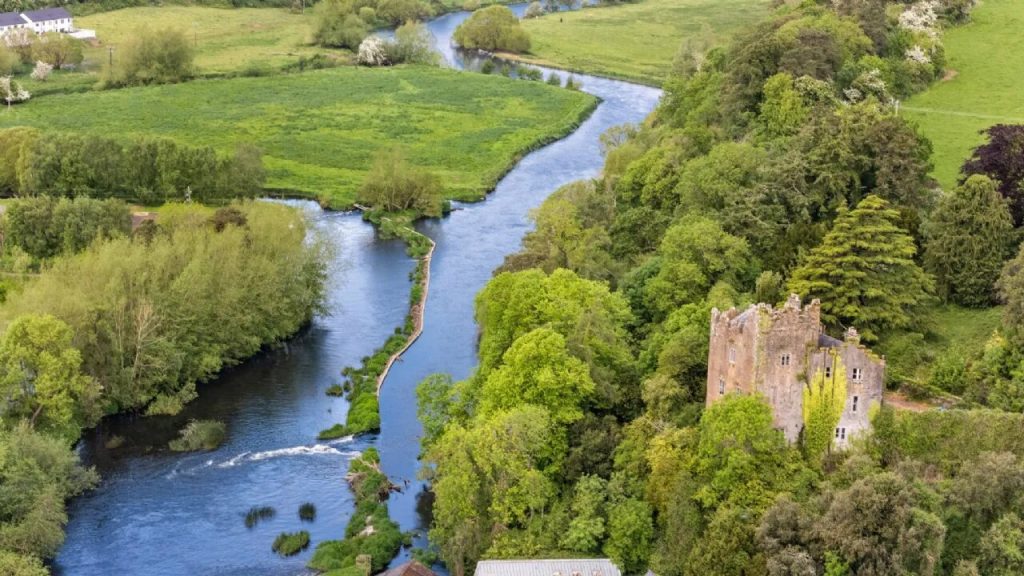
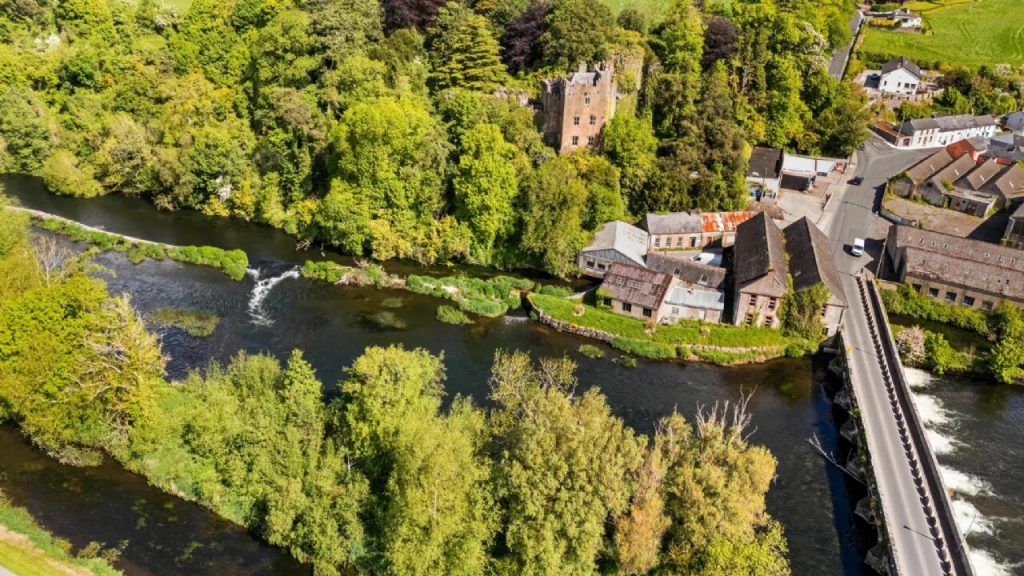
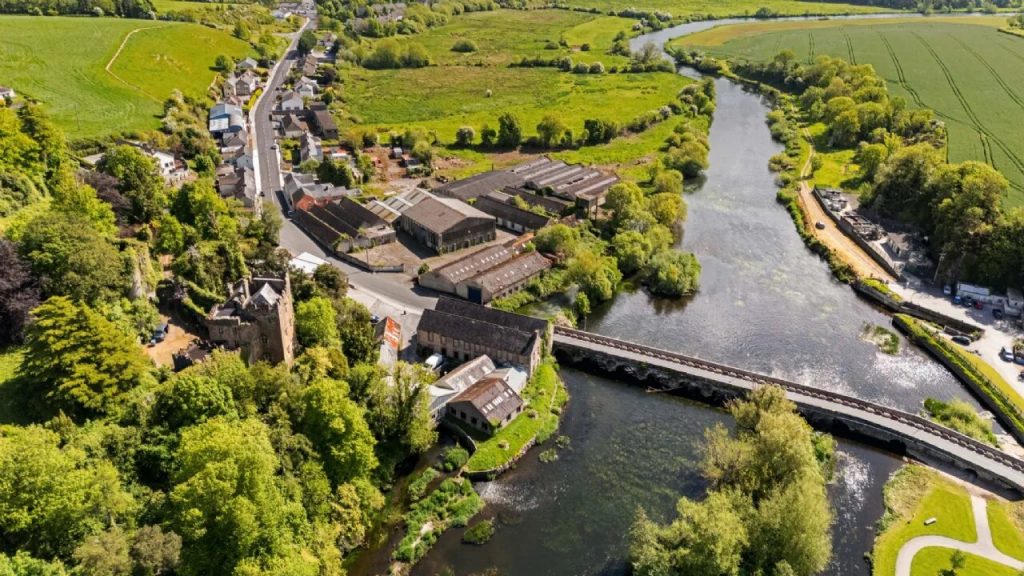
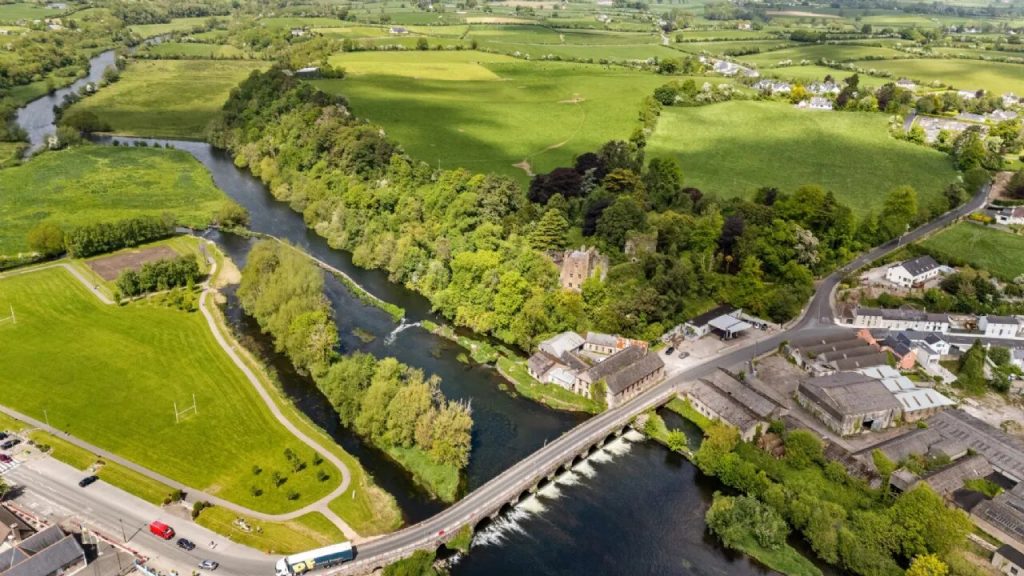
Ardfinnan Castle is a historic Norman property in county Tipperary, Ireland, set on the river Suir. The estate extends to approx. 6.95 hectares (17.17 acres) and includes fishing rights on both banks of the river Suir and a river island, with a five-bedroom residence.
SPECIAL FEATURES
• Ardfinnan was commissioned by Earl of
Moreton (later King John) in 1185 as one
of three castles(sisters are Lismore and
Tybroughney) in his bid to conquer Munster
• Substantial private estate extending to approx.
6.95 hectares (17.17 acres)
• Exclusive fishing rights along both banks of
the River Suir, including rights over a central
river island
• Commanding elevated position overlooking
the Suir valley with panoramic countryside
views
• Significant medieval architectural fabric,
including fortified entrance gateway and
corner towers within a parallelogram plan
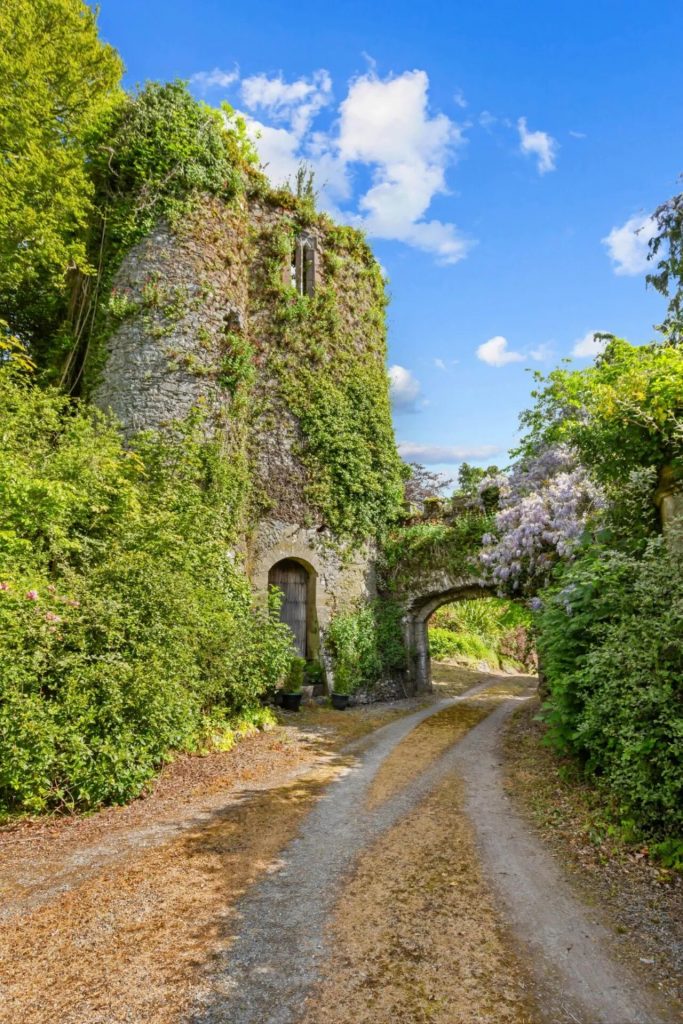
• Early 13th-century circular keep, attributed to
the Knights Hospitaller, forming one of the
castle’s most significant surviving defensive
features, with the original vaulted ceiling at
ground-floor level remaining intact.
• Rich layered history of occupation, including
Anglo-Norman lords, monastic military
orders, Cromwellian siege and later Victorian
restoration
• Later 19th–20th century adaptations,
including conversion to country house use and
subsequent restoration phases
• Rare combination of fortified castle and
domestic residence, retaining strong defensive
character while offering habitable interiors
DESCRIPTION
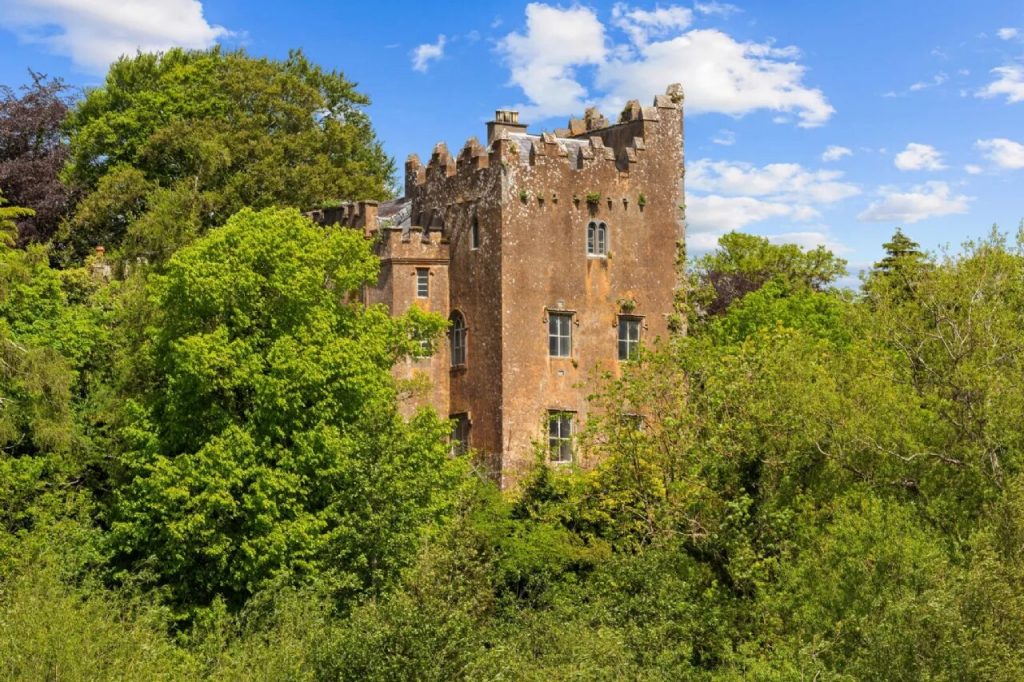
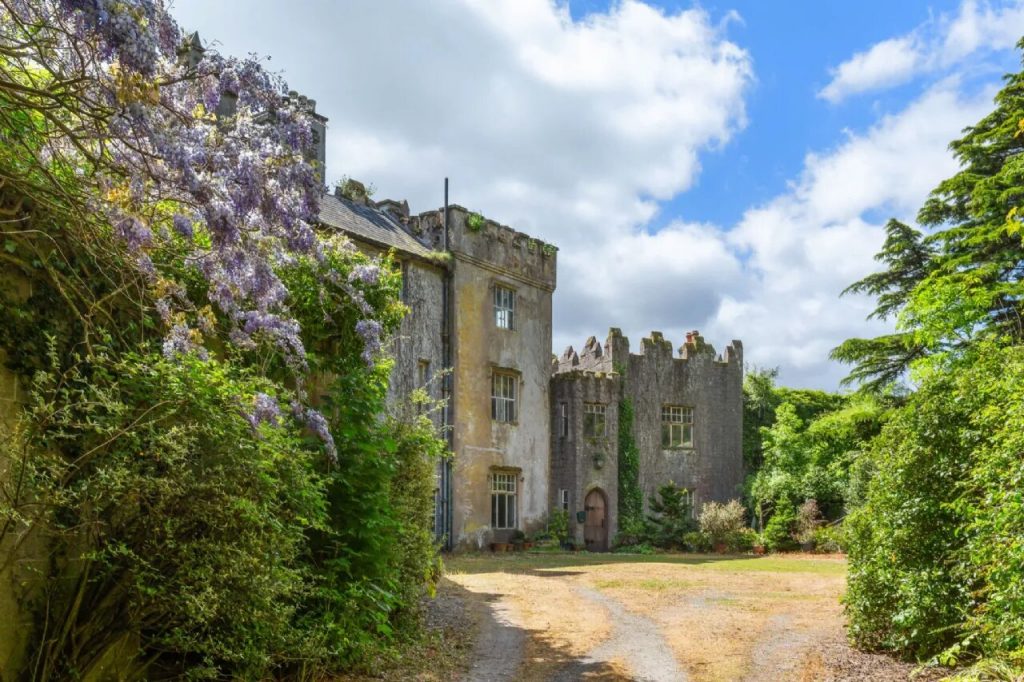
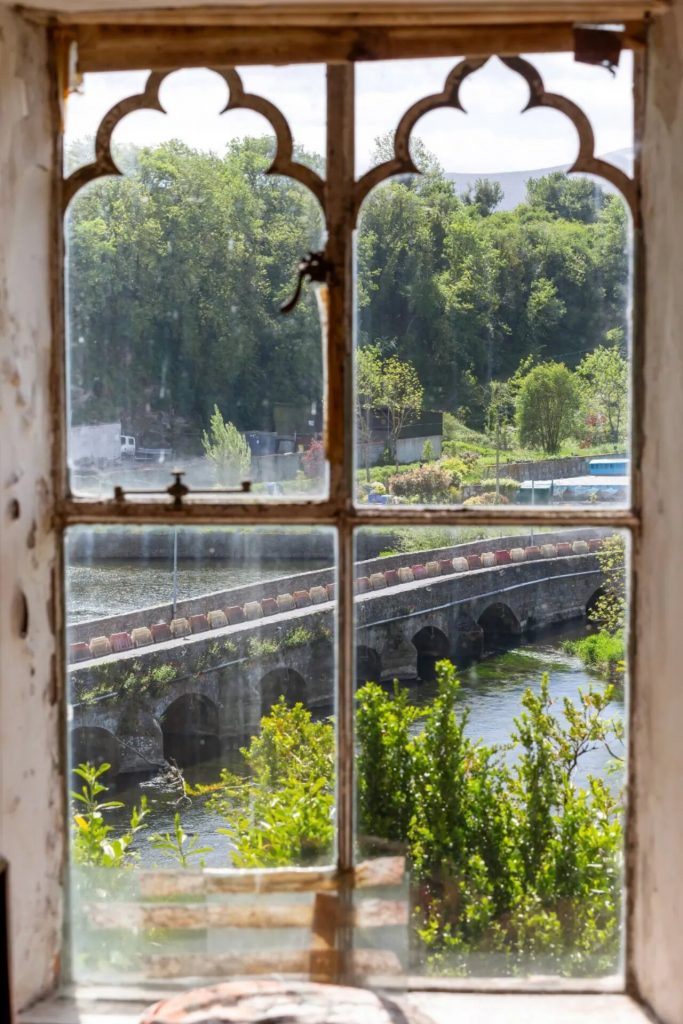
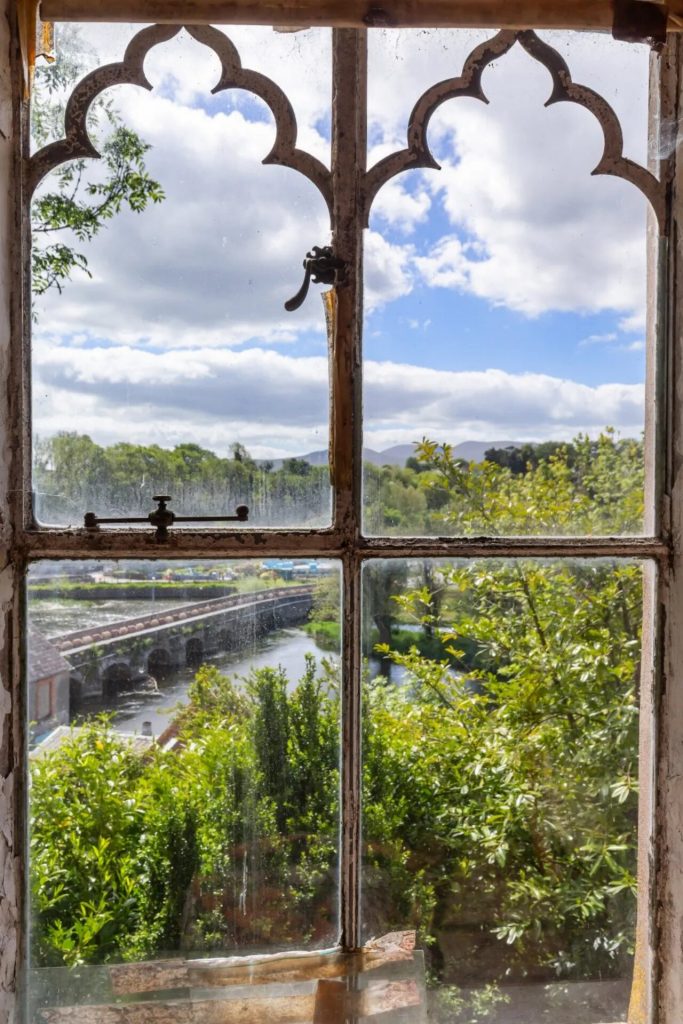
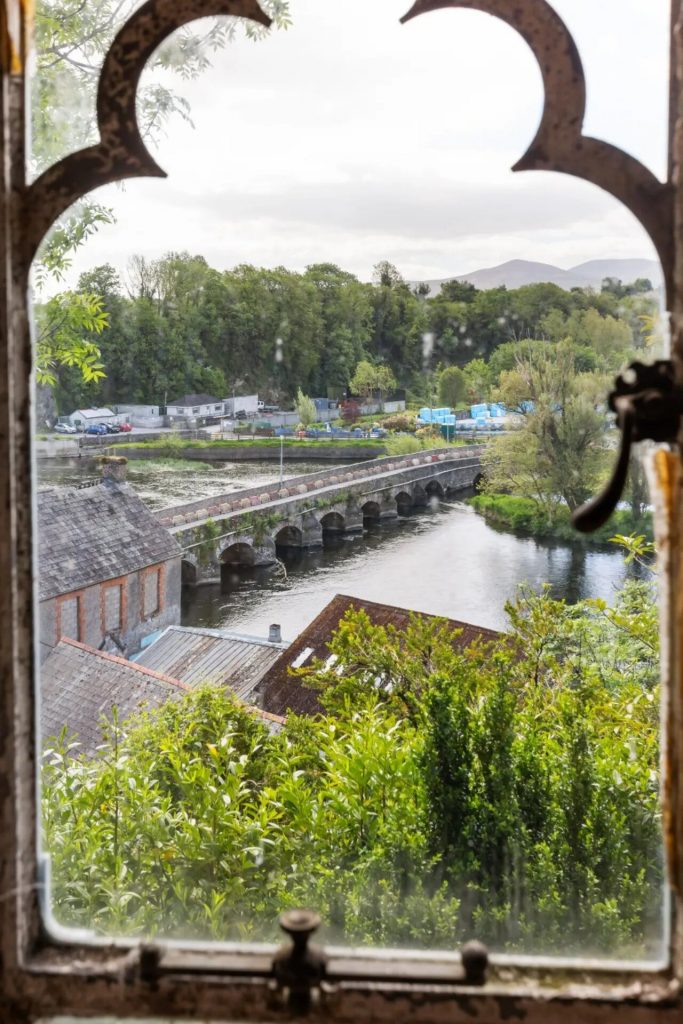
Ardfinnan Castle is a historic Anglo-Norman stronghold approx. 400 sqm (4,306 sq ft) and later country residence, originally founded circa 1185 on the orders of John of England, then Lord of Ireland. It was established to secure a strategic crossing of the River Suir and to control movement between the south-eastern seaboard and the Irish midlands. Positioned on a dramatic rocky incline above the Suir valley, the castle commands far-reaching views toward the Knockmealdown Mountains to the south and the Galtee Mountains to the northwest.
The estate extends to approximately 6.95 hectares (17.17 acres) and includes exclusive fishing rights along both banks of the River Suir, together with rights extending to an island within the river, forming a historically significant private fishery long associated with the property.
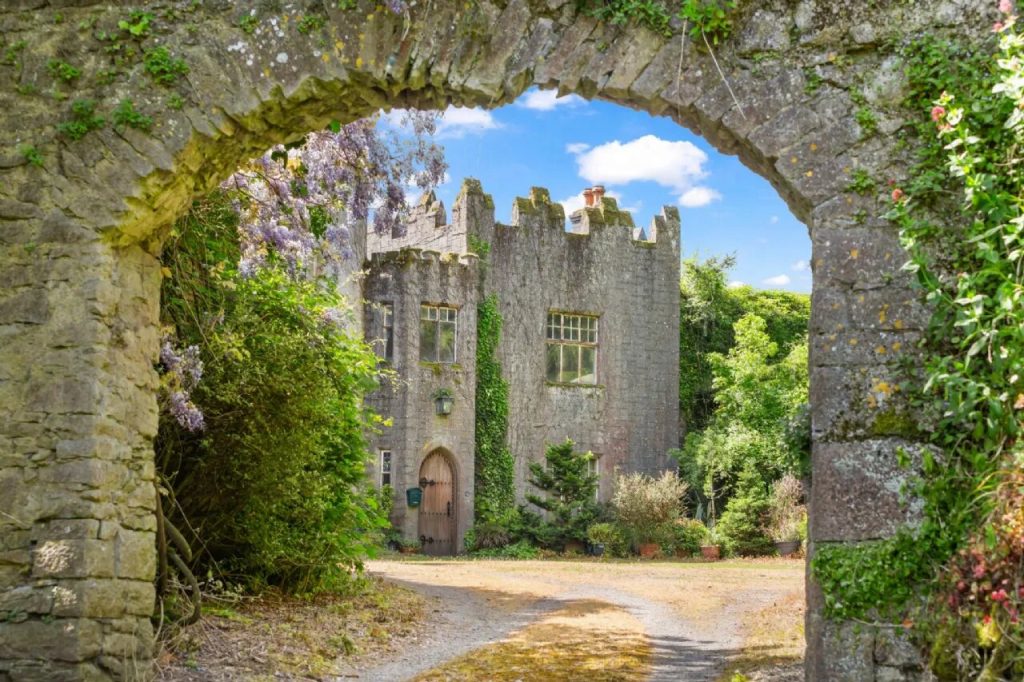
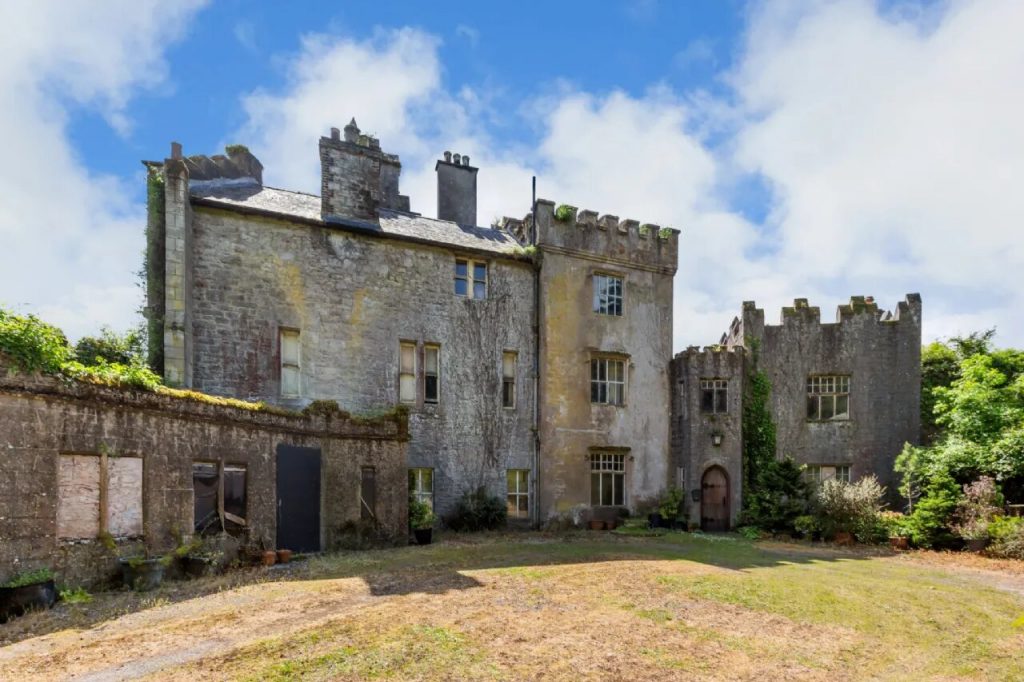
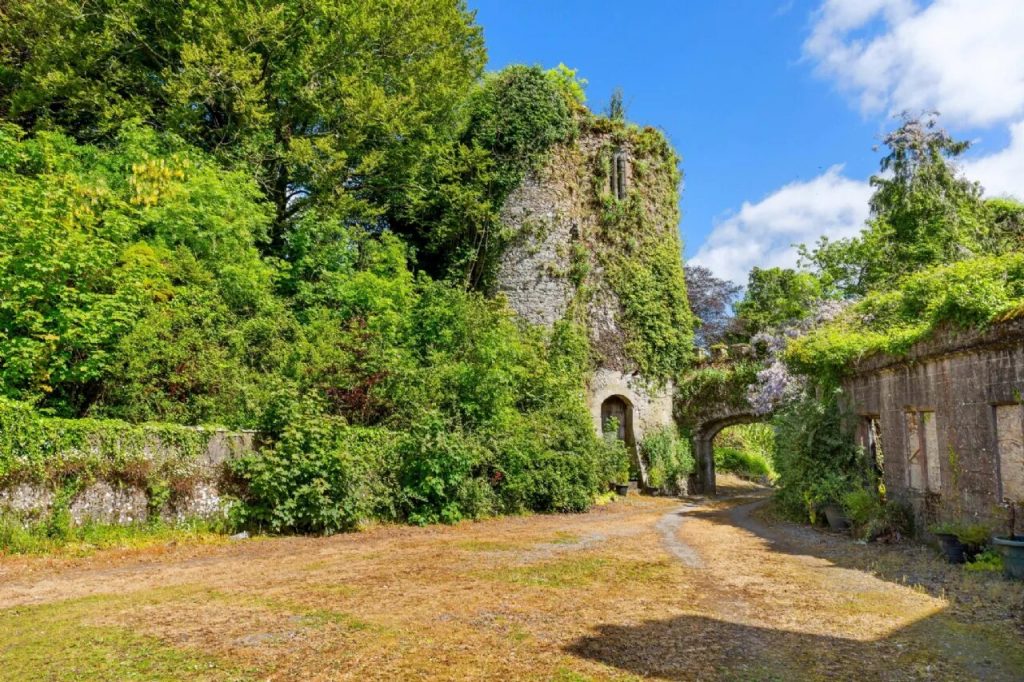
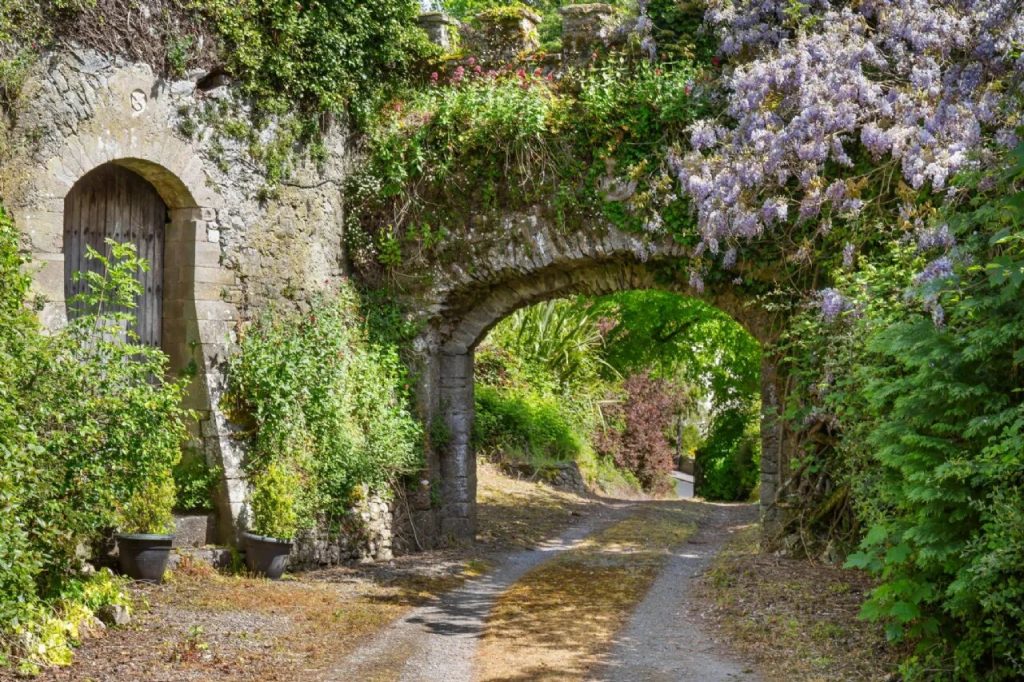
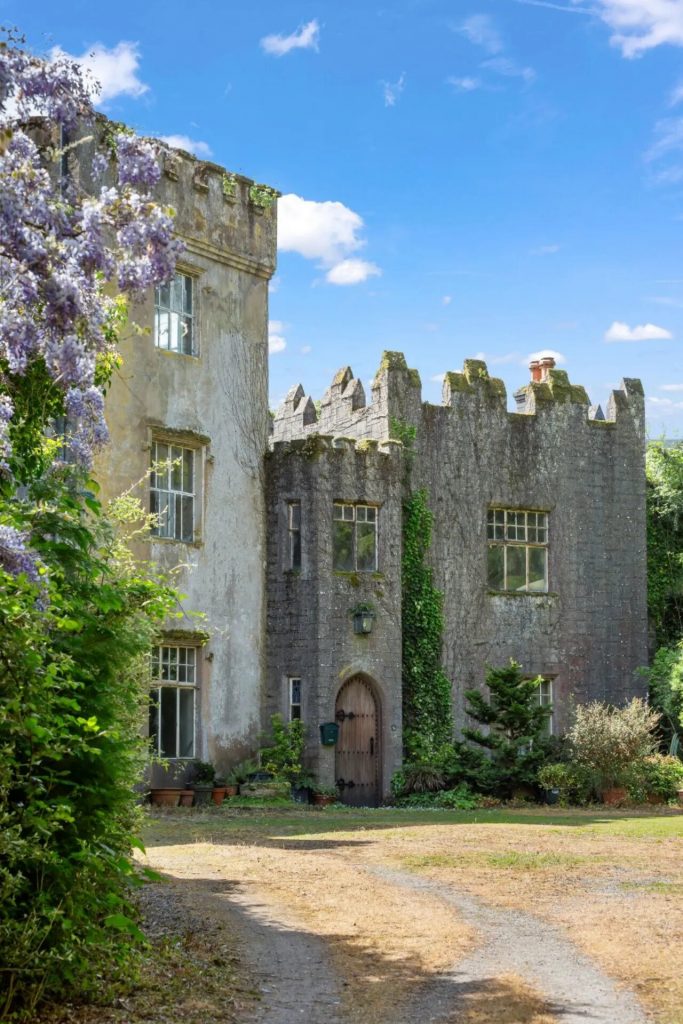
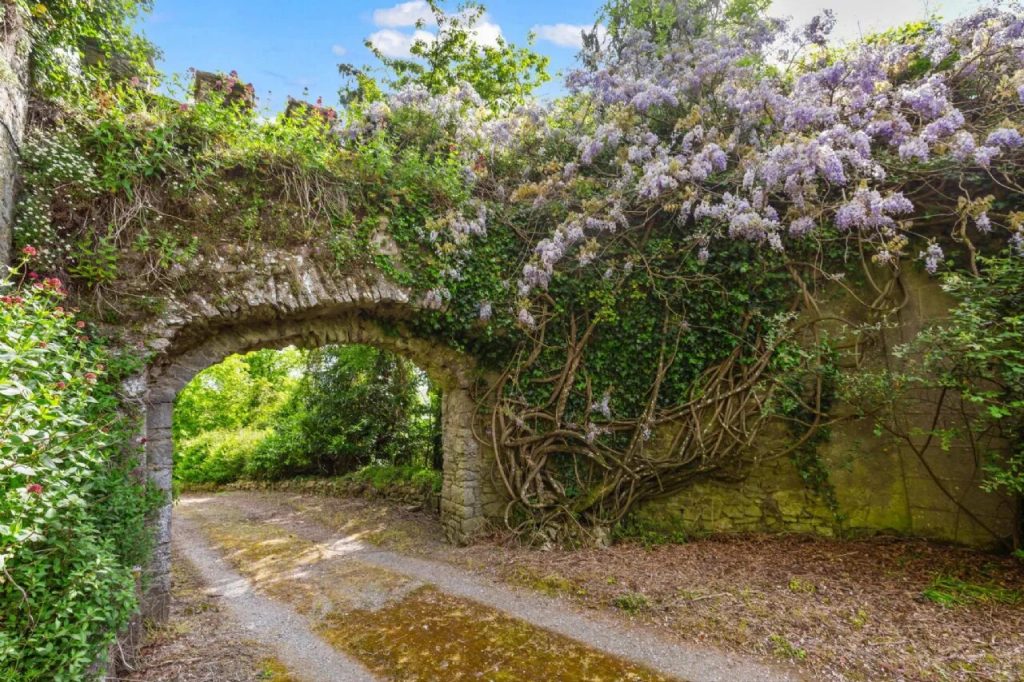
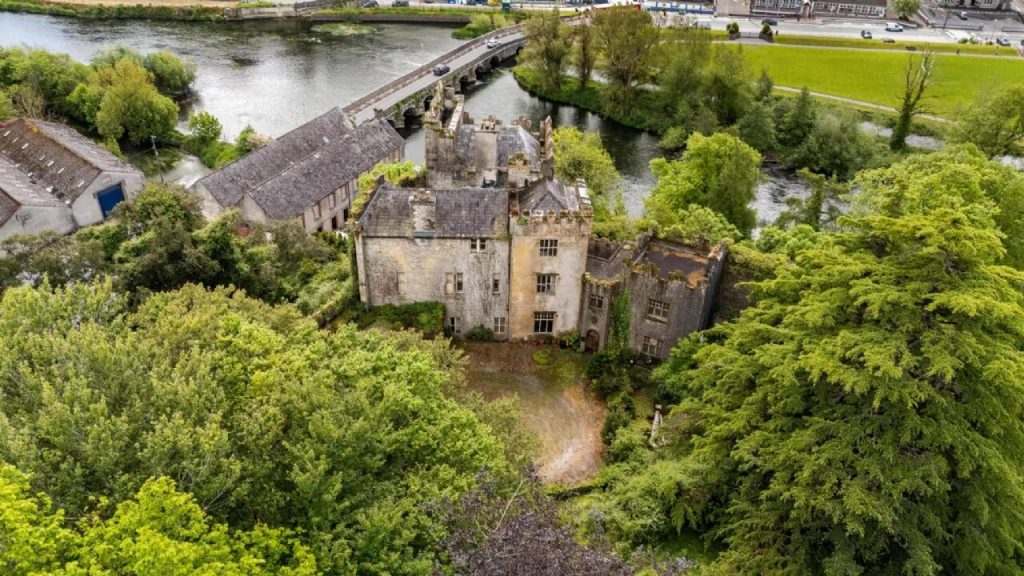
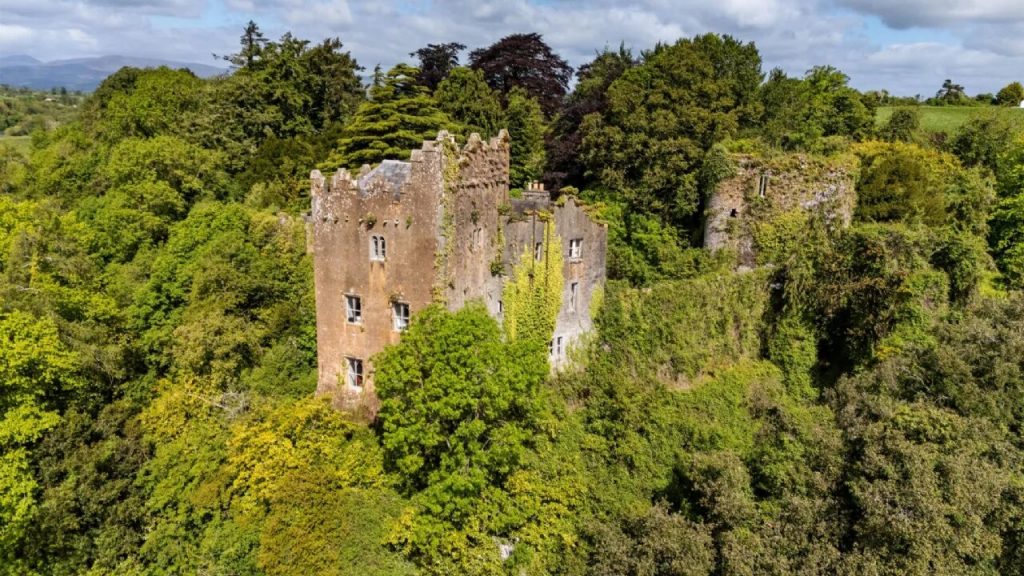
Architecturally, the castle is broadly parallelogram in plan, with square corner battlements and a fortified entrance gateway. Its medieval fabric has evolved over centuries of occupation, reflecting successive phases of military, monastic and residential use. The surviving circular keep is attributed to the Knights Hospitaller in the early 13th century, when the structure was strengthened during periods of regional instability.
The castle’s early history reflects the turbulence of the Anglo-Norman invasion period, passing through successive Norman lords and associations with both the Knights Templar and Knights Hospitaller. In 1650, during the Cromwellian conquest of Ireland, the castle was besieged and captured by Parliamentarian forces under Henry Ireton following artillery bombardment, after which it was partially slighted and left in ruin.
In the late 18th century the castle was reoccupied as a British military garrison and training camp during a period of invasion fears, remaining in use until the early 19th century. The estate was later restored to descendants of the de Prendergast family and underwent Victorian refurbishment, with further additions adapting the castle into a country residence while retaining its fortified medieval character.
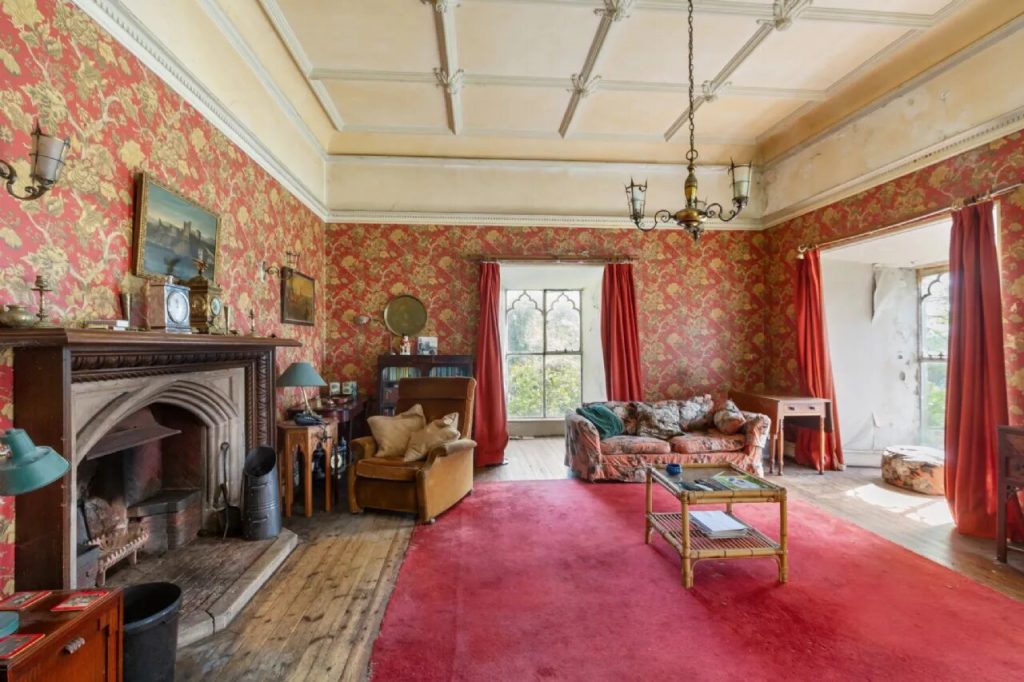
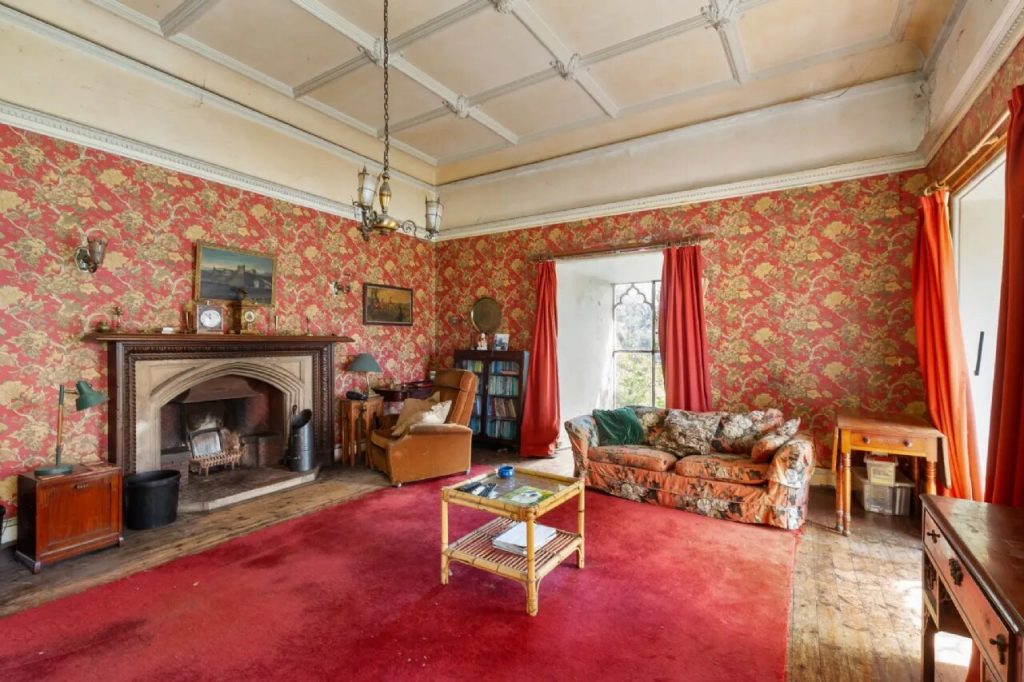
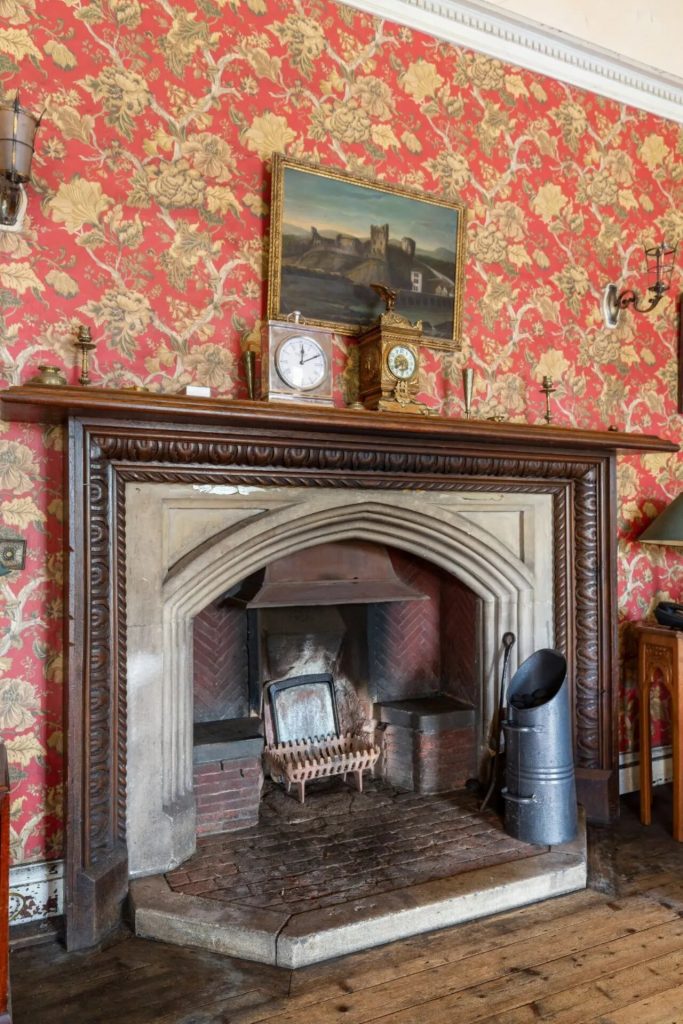
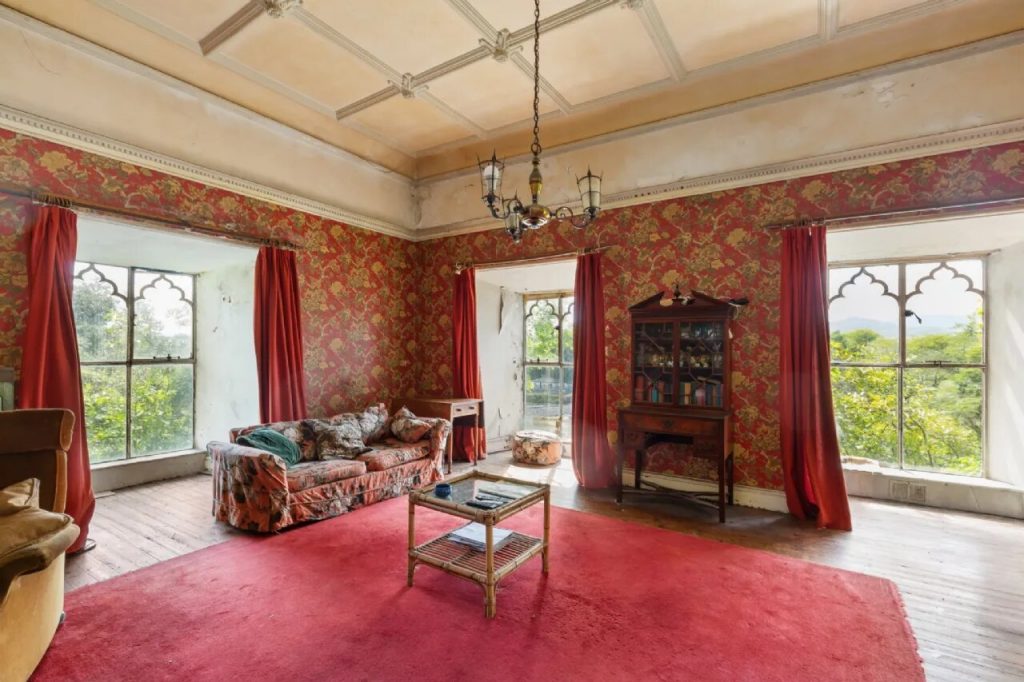
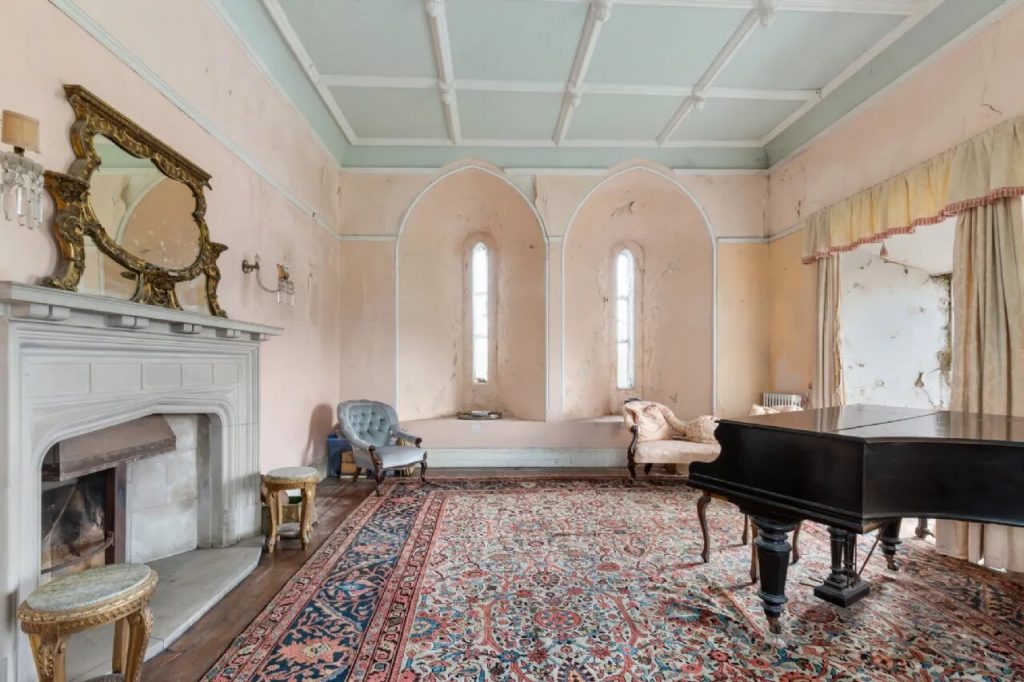
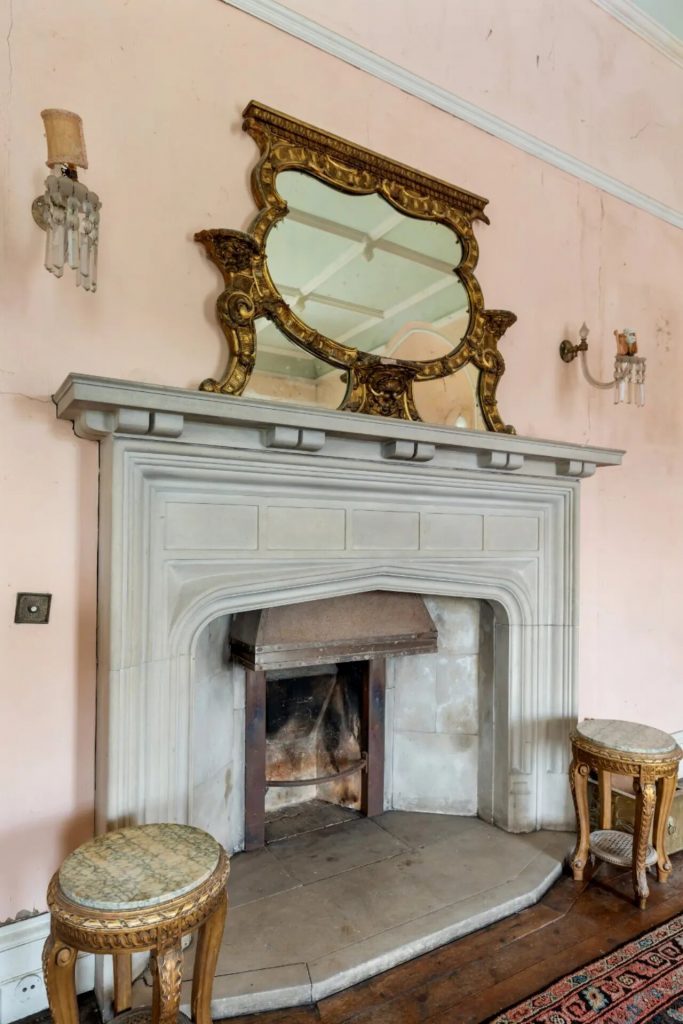
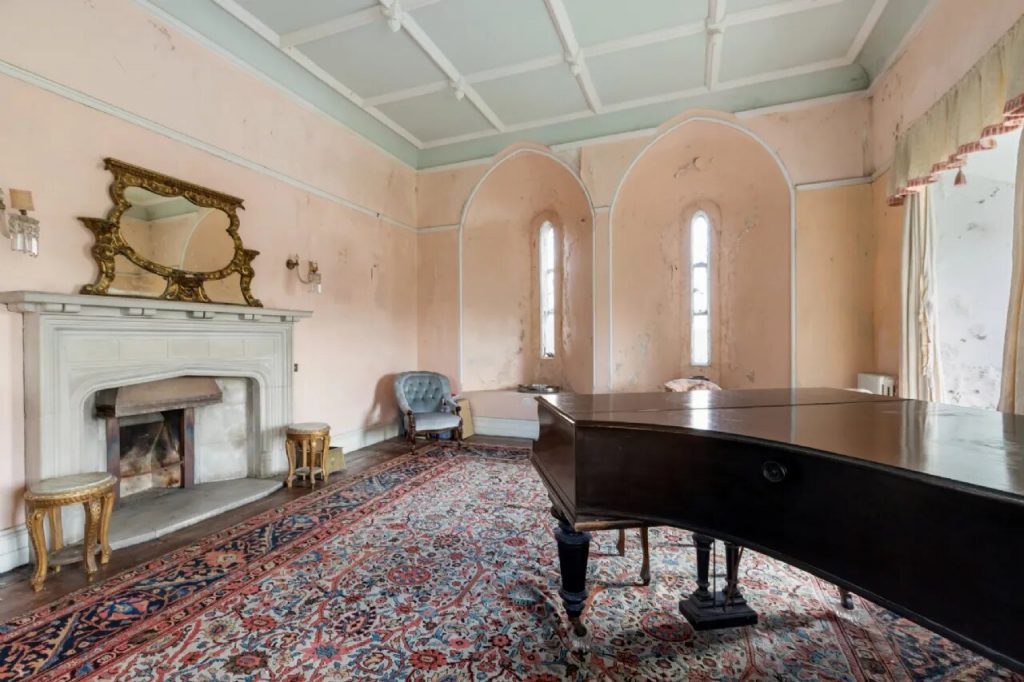
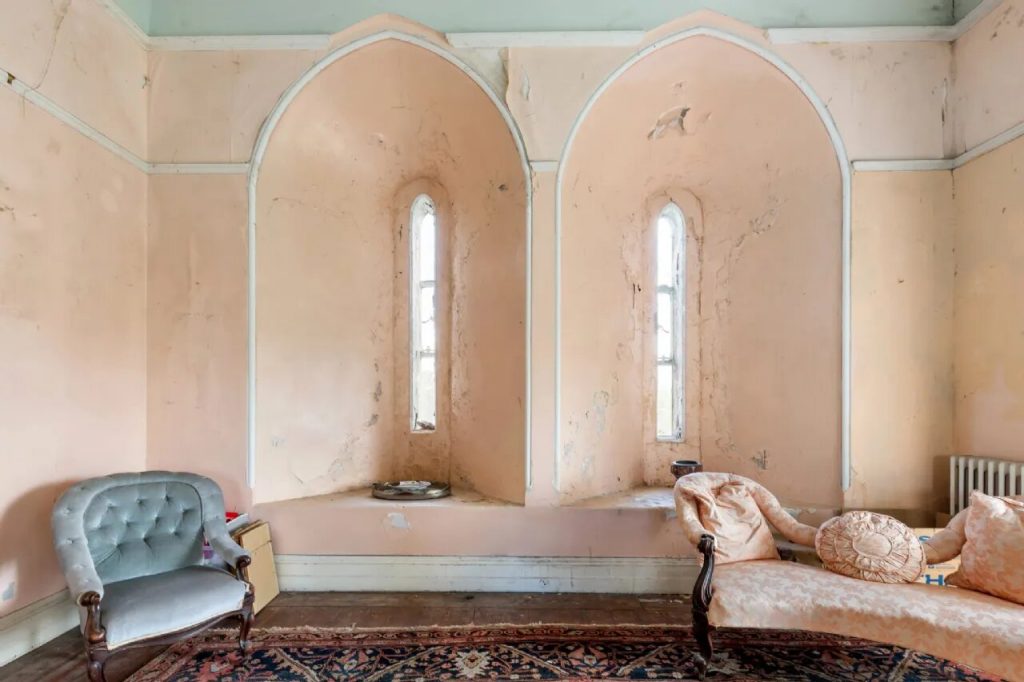
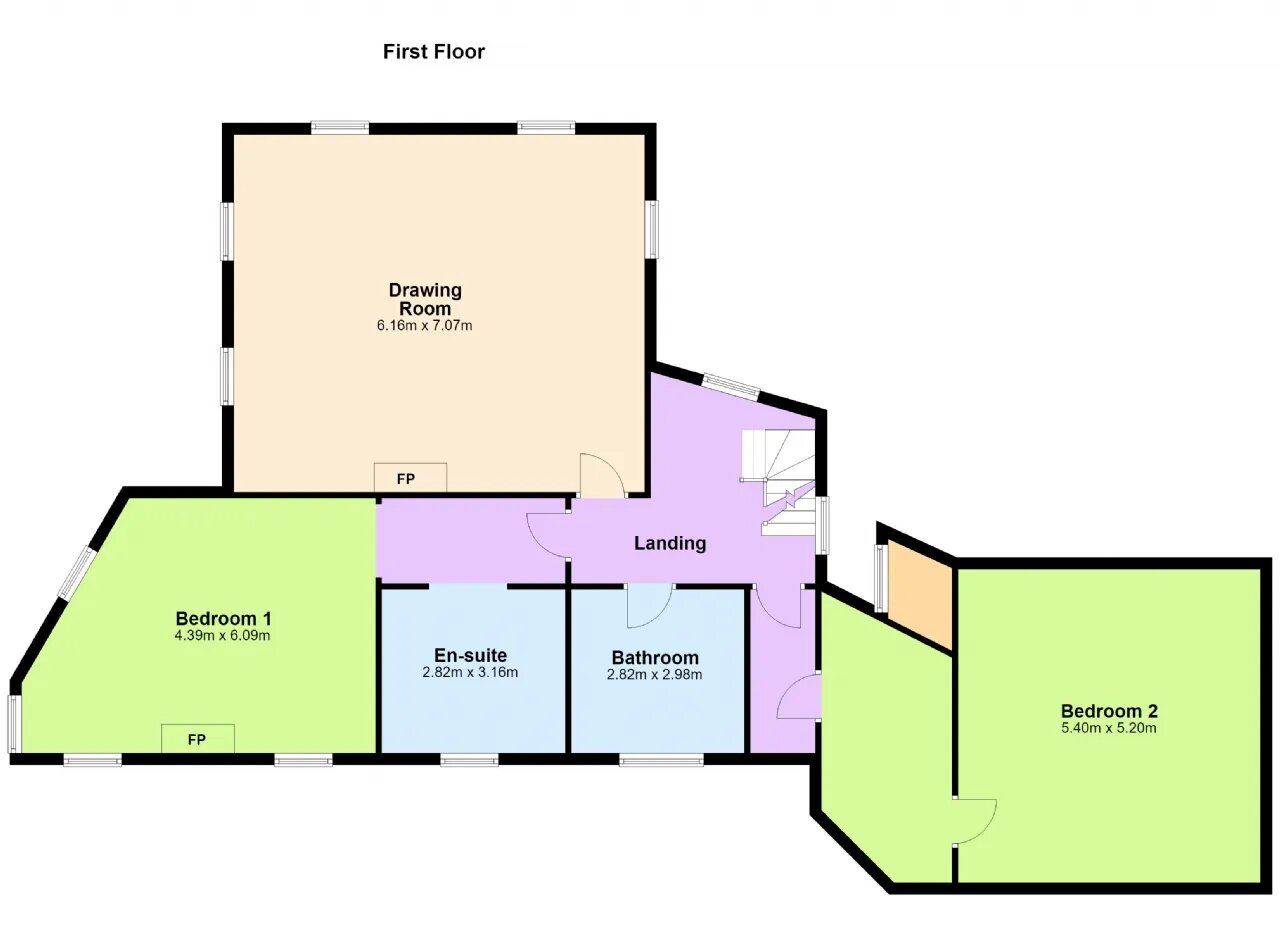
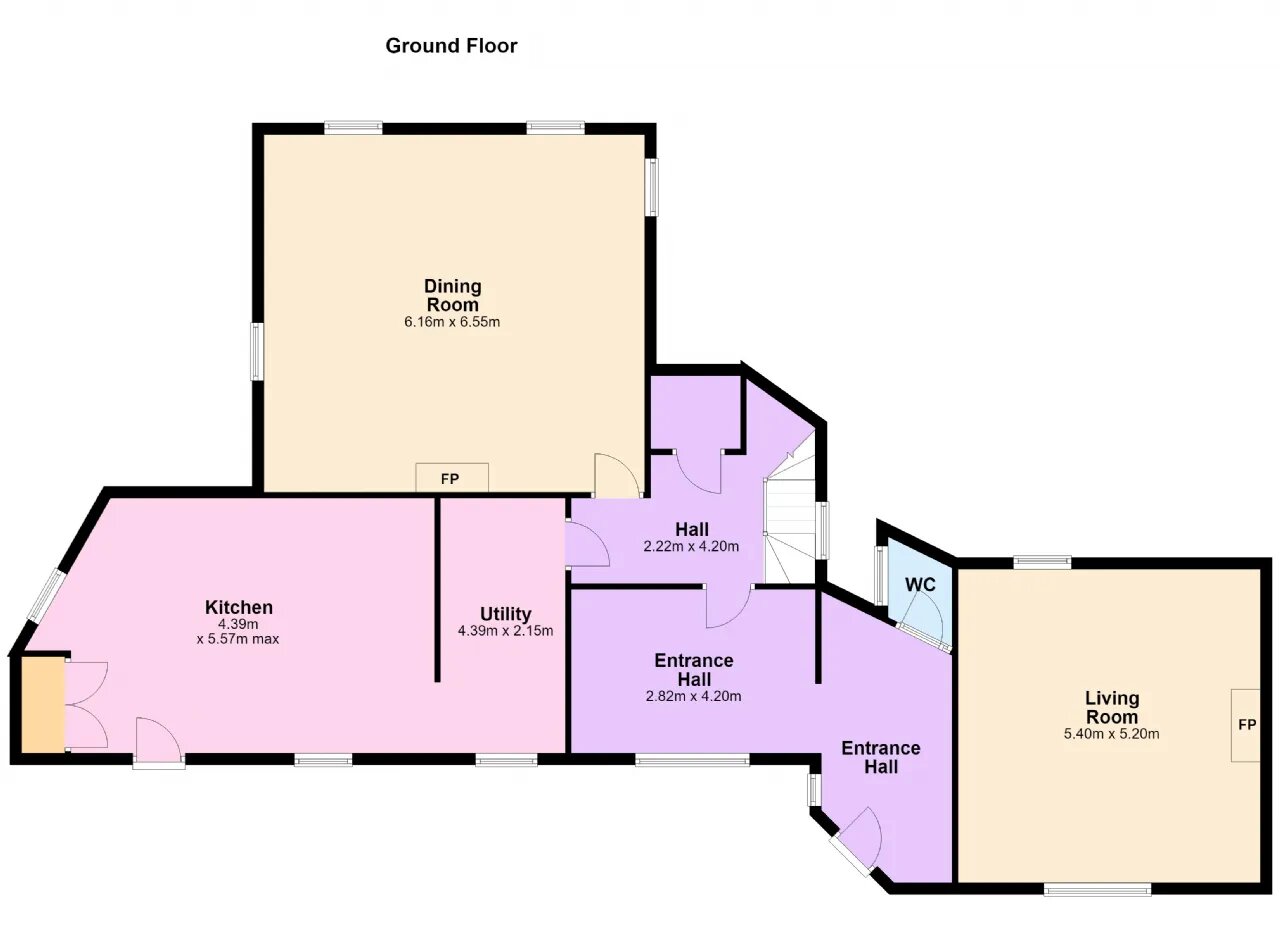
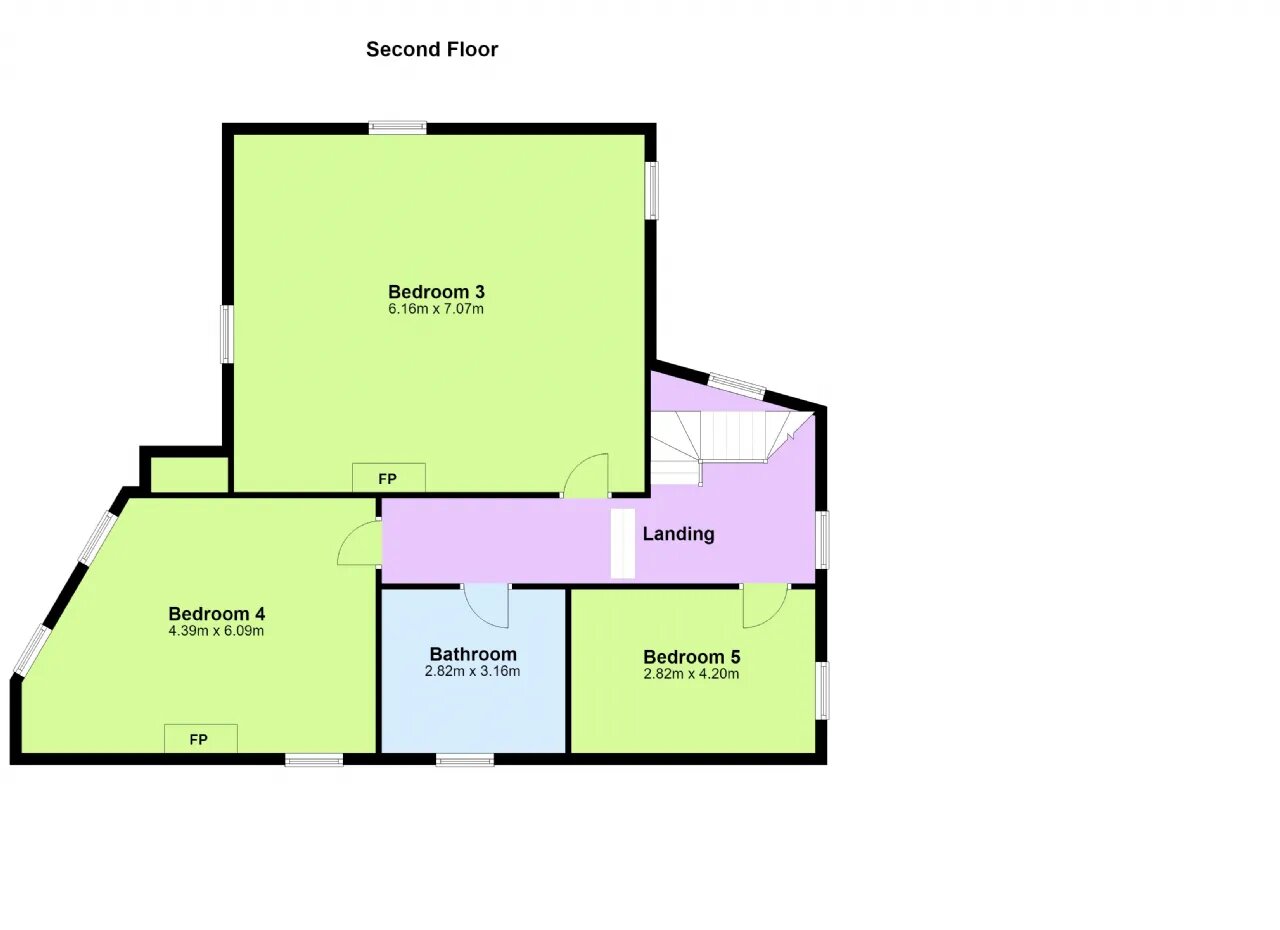
Today the residence is arranged in a five-bedroom configuration across multiple levels. The ground floor comprises an entrance hall, living room, utility room, kitchen and drawing room with open fireplace overlooking the River Suir. The first floor includes two bedrooms, a bathroom, and a substantial reception room with views across the ri








 Share
Share